
Minnesota cannabis · Year one
A market takes root.
One year after state-licensed adult-use sales began, Minnesota had more plants, more businesses, and more than $250 million in combined cannabis sales. It also had high prices, uneven shelves, and a supply chain still racing to catch up.
$250M+
combined cannabis retail sales
$150M adult-use + $100M medical
486,720
plants in license-holder inventory
up from 72,083 in 2025
376
total cannabis business licenses
OCM anniversary snapshot
90,000+
registered medical patients
September 2026 OCM update
The headline and the lived experience
Minnesota built a real market. It did not finish building it.
The official first-year numbers are genuinely big. The Office of Cannabis Management reported more than $250 million in combined adult-use and medical retail sales, 376 total cannabis business licenses, more than 3,000 inspections, and nearly half a million plants in license-holder inventory. Forty-three percent of licensed businesses were classified as social equity businesses.
But those numbers describe a market in motion, not a mature one. A license does not mean an open storefront. A growing plant is not finished inventory. And a combined sales total does not tell a shopper whether the product they wanted was available at a price they considered reasonable. This review keeps those two realities visible at the same time.
September 2025 to September 2026
The first year, three ways
Switch perspectives to follow the state's reported milestones, the friction consumers and operators encountered, or the signals that matter next.
September 2025 · The doors open
State-licensed adult-use sales begin
Minnesota’s state-regulated adult-use market moved from licensing and preparation into retail sales on September 16, 2025.
Fall 2025 · An uneven first harvest
Retail demand arrives before broad supply
Medical cannabis combination businesses and Tribal producers helped supply the early adult-use market while newly licensed operators prepared to enter.
January 2026 · The market becomes measurable
OCM launches the Cannabis Market Monitor
The public dashboard began publishing aggregate licensing, monthly sales, product sales, price, transaction, planting, and harvest data.
Sources and context
Spring 2026 · A wider field
Small businesses become the cultivation base
Nearly three-quarters of license holders endorsed for cultivation activity were microbusinesses in OCM’s anniversary snapshot.
June to August 2026 · The cultivation surge
Ninety-five newly licensed cultivators join the market
OCM said 95 cultivators were newly licensed during the summer, representing 60% of businesses then engaged in cultivation activities.
September 2026 · Visible growth
Tracked plant inventory rises 575%
License-holder inventory increased from 72,083 plants in 2025 to 486,720 plants in the anniversary snapshot.
Year one · Two systems, one market
Nine Tribal agreements and compacts connect the market
OCM reported nine cooperative agreements and compacts with Tribal Nations during the first state-licensed year.
September 15, 2026 · The first-year scoreboard
More than $250 million in combined retail sales
OCM reported approximately $150 million in adult-use sales and $100 million in medical sales, plus $45.6 million in cannabis and lower-potency hemp edible tax revenue through July 2026.
The number that changes the story
575% more plants.
OCM's snapshot grew from 72,083 plants in 2025 to 486,720 in 2026. Ninety-five cultivators were newly licensed from June through August. That is the strongest evidence that year two could feel different, but cultivation still has to become harvested, tested, processed, distributed product.

Sales proved demand. Shelves exposed the gaps.
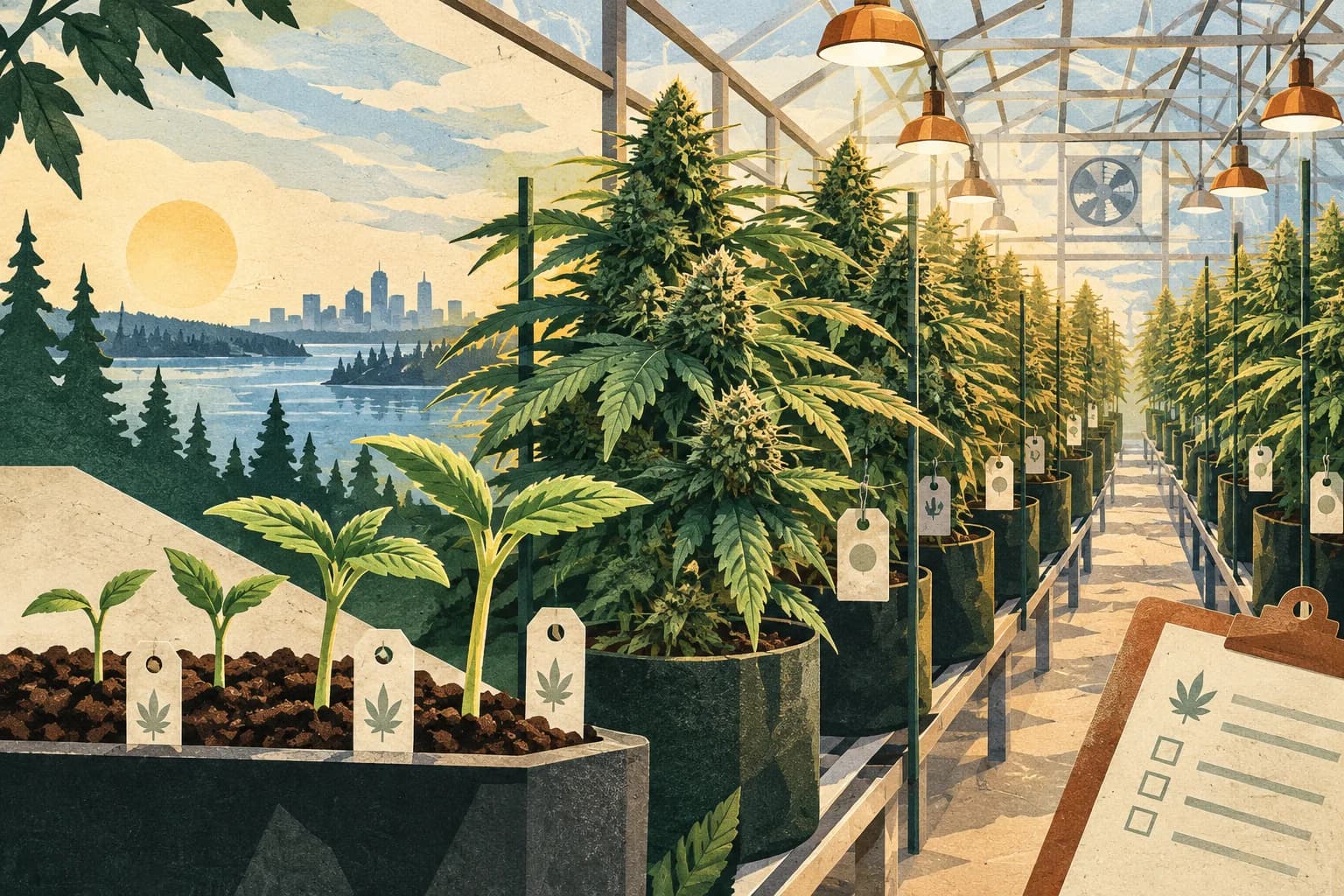
Roughly $150 million in adult-use sales showed that Minnesotans were ready to buy. Yet MPR's anniversary reporting found persistent frustration around price and product variety. Flower supply strengthened faster than some manufactured categories, because growing more plants is only one link in the chain.
Track Minnesota cannabis prices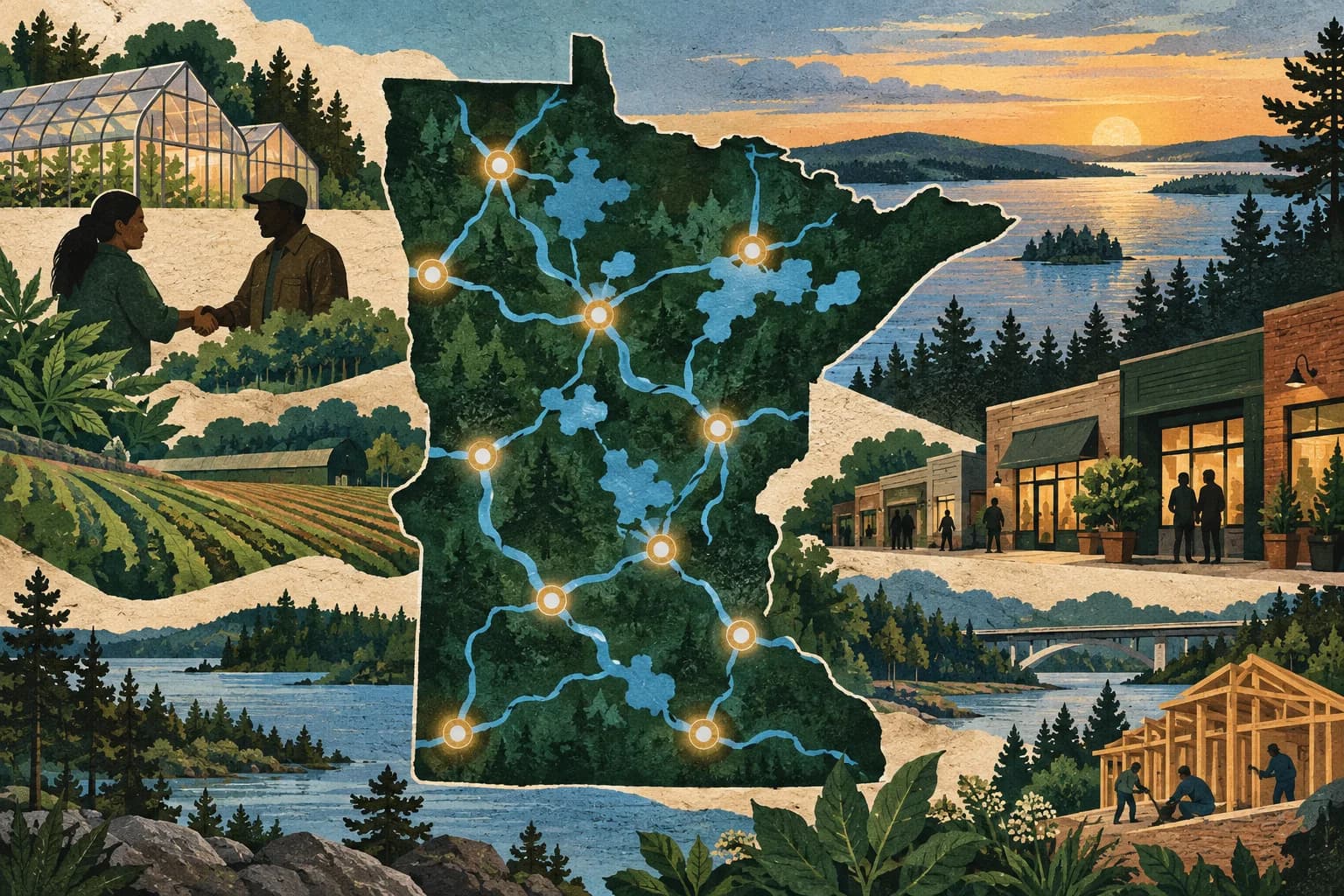
Tribal Nations helped shape the market before day one.
OCM reported nine cooperative agreements and compacts with Tribal Nations. Tribal governments had already opened retail and cultivation operations before the state's licensed launch, and government-to-government agreements connected two legally distinct systems into a broader Minnesota supply story.
Explore licensed dispensariesThe year-two watchlist
The next chapter is about conversion: plants into products, licenses into businesses, and growth into access.
Does supply reach shelves?
Watch monthly harvest, product-category sales, and inventory data instead of treating plant counts as finished supply.
Open the data deskDo prices become competitive?
More growers can create downward pressure, but manufacturing capacity, taxes, testing, and retail competition matter too.
See the price guideWho turns a license into a business?
Social-equity and microbusiness license shares are meaningful. Openings, staying power, and geographic access are the harder measures.
Check the definitionsMedical cannabis remains part of this picture, not a footnote. OCM reported more than 90,000 registered patients and approximately $100 million in first-year medical sales. Our medical cannabis year-in-review keeps those patient and sales measures separated by date and definition.
Source desk
Built to be explored. Built to be checked.
Official figures anchor the page. Independent reporting supplies context and attributed expectations. Where dates, windows, or definitions differ, we keep them separate. The 376-license OCM anniversary figure and the 369-business figure reported by MPR, for example, are different snapshots and should not be presented as one interchangeable count.
Minnesota Office of Cannabis Management · 2026-09-15
One Year In: Minnesota’s Adult-Use Cannabis Market by the Numbers
Primary anniversary infographic. Round sales figures and milestone totals are preserved as published.
Minnesota Office of Cannabis Management · 2026-09-15
OCM one-year sales announcement
Primary announcement for the first state-licensed year of adult-use sales.
Minnesota Office of Cannabis Management · 2026-09-01
Cannabis Market Monitor
Live dashboard. Monthly figures can use a different reporting window than anniversary totals.
MPR News · 2026-09-17
Minnesota’s legal cannabis market turns 1 as growers ramp up production
Reporting and attributed interviews about supply, pricing, product gaps, and the year-two outlook.
Minnesota Reformer · 2026-09-15
Minnesota recreational cannabis sales hit $150M one year in
Independent reporting on sales, plant growth, taxes, Tribal participation, and license context.
Published September 23, 2026. This is a dated editorial review, not a live counter. OCM dashboards and program totals can change after publication.